Navigating the vast landscape of gaming GPUs can feel like a boss battle itself. With new models arriving and technologies evolving, choosing the right graphics card for your PC is crucial for an enjoyable gaming experience, whether you are a casual player or a dedicated enthusiast. This comprehensive guide, crafted for the average gamer balancing life's demands, cuts through the jargon and hype to provide clear, actionable advice on how to select gaming gpu that fits your budget, performance needs, and lifestyle. We understand you value relaxation, fun, skill-building, and smart investments. From understanding VRAM to pairing with your CPU, we will help you make an informed decision without the headaches, ensuring your valuable gaming time is spent playing, not troubleshooting.
What is the best way to future-proof my GPU purchase?
Future-proofing your GPU involves considering upcoming trends and technologies. Focus on cards with ample VRAM (12GB+ is ideal for 1440p gaming), strong ray tracing capabilities if that's important to you, and robust driver support from NVIDIA or AMD. Prioritize a GPU that comfortably exceeds your current monitor's resolution and refresh rate needs, giving you headroom for future upgrades. For instance, if you currently game at 1080p 60Hz, a GPU capable of 1440p 100+Hz offers excellent future-proofing.
How important is my CPU when selecting a new gaming GPU?
Your CPU is very important. It works hand-in-hand with your GPU, and an imbalance can lead to a bottleneck, where one component limits the performance of the other. For gaming, generally, the GPU is the dominant factor, but a weak CPU will prevent even a powerful GPU from reaching its full potential, especially in CPU-intensive games or at lower resolutions. Ensure your CPU is at least a modern mid-range processor (e.g., Intel Core i5/Ryzen 5 from the last few generations) to avoid limiting your new GPU's performance.
Should I consider an NVIDIA or AMD GPU for my gaming PC?
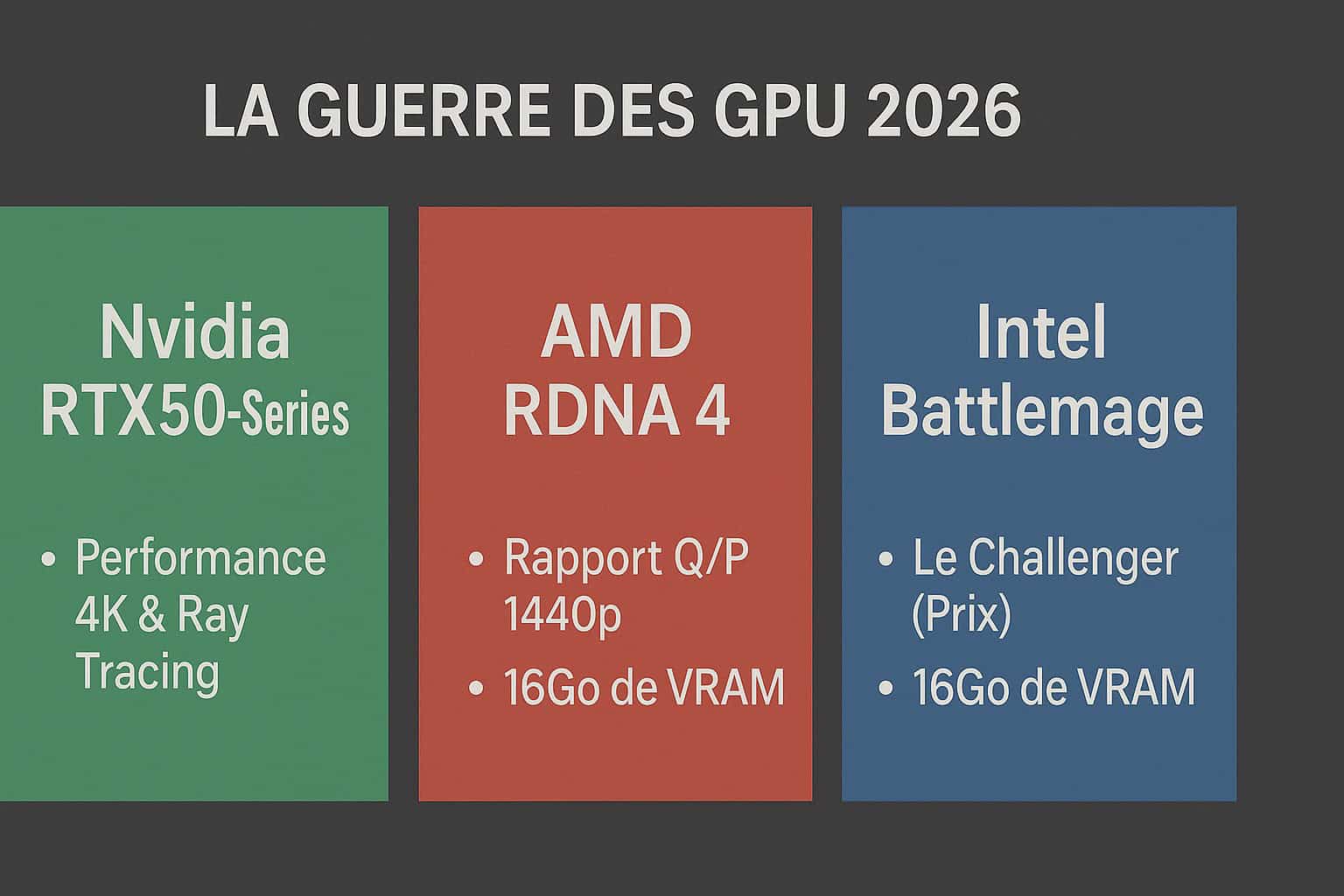
Both NVIDIA and AMD offer excellent gaming GPUs, and the choice often comes down to specific models, price, and ecosystem preferences. NVIDIA is generally known for strong raw performance, superior ray tracing capabilities, and features like DLSS (Deep Learning Super Sampling) for performance uplift. AMD often provides competitive rasterization performance (traditional graphics rendering) at slightly lower price points and has features like FSR (FidelityFX Super Resolution) which is open-source. Evaluate specific card comparisons within your budget and check game benchmarks for the titles you play most.
What are the common pitfalls to avoid when buying a gaming GPU?
Avoid these common pitfalls: not matching your GPU to your monitor's capabilities (e.g., 4K GPU for a 1080p monitor), underestimating the power supply unit (PSU) requirements, ignoring CPU bottlenecks, buying a card without sufficient VRAM for your target resolution, and not checking physical compatibility with your PC case. Also, beware of inflated prices from scalpers and always compare current generation performance data rather than relying on outdated benchmarks.
Is it worth buying a used gaming GPU in 2026?
Buying a used gaming GPU can be a fantastic way to save money, especially for mid-range performance, but it comes with risks. In 2026, the market for used GPUs is robust due to rapid generation cycles. Look for cards that are still under original manufacturer warranty if possible, thoroughly test the card upon receipt for artifacts or stability issues, and buy from reputable sellers with return policies. Verify the card's exact model and avoid heavily used mining cards which might have reduced lifespan.
How does my PC case size affect my GPU choice?
Your PC case size significantly affects your GPU choice. Modern high-performance GPUs can be very large and long, sometimes requiring triple-slot cooling solutions. Before purchasing, measure the available clearance inside your case for the GPU length, height, and width. Check the manufacturer's specifications for both your case (maximum GPU length) and the specific GPU model you are considering. Insufficient space can lead to installation issues or poor airflow, impacting performance and longevity.
Do I need a special power supply for a gaming GPU?
Yes, you absolutely need a power supply (PSU) with enough wattage and the correct connectors for your gaming GPU. Modern GPUs can be power-hungry. Always check the GPU manufacturer's recommended PSU wattage. Undersized PSUs can cause system instability, crashes, or even damage components. Ensure your PSU has the necessary 6-pin, 8-pin, or 12-pin PCIe power connectors required by your chosen GPU, and always opt for a reputable brand with a good efficiency rating (e.g., Bronze, Gold, Platinum) for reliability and safety.
Hey fellow gamers! If you are like most of us, juggling work, family, and life while still carving out precious time for your favorite virtual worlds, you know every gaming session counts. There is nothing worse than finally sitting down to play only to be greeted by stuttering frame rates or blurry graphics. The heart of that frustration often lies with your Graphics Processing Unit, or GPU. Choosing the right one can feel like deciphering an ancient scroll, especially with new models and tech buzzwords constantly bombarding us.
Recent US gaming stats show a whopping 87% of gamers play regularly, often dedicating 10+ hours a week, and over 60% balance gaming with work and family. We are not just looking for raw power; we are looking for value, reliability, and smooth gameplay that lets us unwind, connect with friends, and maybe even build some new skills. This month, we have seen immense interest in optimizing existing setups and making smart upgrade choices for social games and the latest AAA titles.
This guide is for you – the adult gamer who wants to stay current without breaking the bank or getting bogged down in hype. We will walk you through exactly how to select gaming gpu that fits your unique needs, ensuring your hard-earned dollars translate into fantastic gaming experiences, not buyer's remorse. Let us dive in and demystify the process!
What Is a Gaming GPU and Why Is It So Important?
A Gaming GPU, or graphics card, is essentially the visual brain of your PC. It is a specialized processor designed to render images, videos, and animations, turning complex data into the beautiful pixels you see on your screen. Without a capable GPU, even the most powerful CPU would struggle to display modern games at decent frame rates or resolutions. It is the single most impactful component for determining your in-game graphical fidelity and performance. Think of it as the engine for your gaming car – a better engine means a smoother, faster ride through your virtual adventures.
For gamers, especially those focused on performance optimization and immersive experiences, the GPU dictates everything from texture quality and lighting effects to how many frames per second (FPS) you achieve. If your games are lagging, crashing, or just not looking their best, a GPU upgrade is often the first and most effective solution. It directly impacts your ability to enjoy the stunning visuals and fluid gameplay that modern titles offer, letting you fully escape and relax.
How Do I Determine My Gaming Budget for a GPU?
Setting a realistic budget is the crucial first step when considering how to select gaming gpu. Gamers like us, who balance work and life, need value for money. GPU prices range from a couple of hundred dollars to well over a thousand, so knowing your limit upfront prevents overspending and helps narrow down choices. Remember, a gaming PC is more than just a GPU; you also need a CPU, RAM, storage, power supply, and case. A good rule of thumb is to allocate about 30-40% of your total PC budget to the GPU.
- Entry-Level (200-400 USD): Great for 1080p gaming at medium-high settings, especially for popular social or free-to-play games like Fortnite, Valorant, or older AAA titles. Think smooth 60 FPS.
- Mid-Range (400-700 USD): The sweet spot for 1080p high-ultra settings and often capable of 1440p gaming at respectable frame rates. Excellent for most current AAA games and competitive esports. This segment often offers the best performance-per-dollar.
- High-End (700+ USD): For those chasing 1440p high refresh rates, 4K gaming, or seamless VR experiences. These GPUs provide top-tier performance but come with a significant price premium. While tempting, assess if this level of performance truly aligns with your gaming habits and monitor capabilities.
Always consider the overall system cost. A powerful GPU paired with an old CPU might bottleneck performance, leading to wasted potential. Budget smart, not just big.
What Resolution and Refresh Rate Do I Plan to Game At?
Your monitor's resolution and refresh rate are paramount in deciding how to select gaming gpu. These factors directly influence how hard your GPU needs to work and thus, how powerful it needs to be. Many gamers, especially those who balance life with gaming, stick to 1080p monitors because they are affordable and deliver great visuals. Others might have upgraded to 1440p or even 4K for a more immersive experience.
- 1080p (Full HD): This is the most common resolution. To achieve 60+ FPS at high settings, a mid-range GPU is usually sufficient. If you are aiming for high refresh rates (120Hz, 144Hz, or more) for competitive games, a slightly stronger mid-range or upper mid-range card will ensure buttery smooth gameplay.
- 1440p (Quad HD): A significant step up in visual clarity. For comfortable 60+ FPS on demanding titles, you will typically need an upper mid-range or high-end GPU. High refresh rate 1440p gaming requires a truly powerful card.
- 4K (Ultra HD): The pinnacle of visual detail. This demands a top-tier, high-end GPU to achieve playable frame rates (30-60 FPS) in most AAA games. Unless 4K gaming is your absolute priority, for most busy gamers, the performance-to-cost ratio here might not be worth it.
Always match your GPU to your monitor. Buying an expensive 4K-ready GPU for a 1080p monitor is overkill, and conversely, a weak GPU will severely underperform on a high-resolution, high refresh rate display.
How Much VRAM Do I Really Need for Modern Games?
VRAM, or Video Random Access Memory, is the dedicated memory on your GPU that stores textures, shaders, and other graphical data. Modern games, with their increasingly detailed environments and high-resolution textures, are demanding more VRAM than ever before. For gamers who enjoy immersive single-player experiences or complex multiplayer maps, sufficient VRAM is crucial to prevent performance hitches and texture pop-in.
- 8GB VRAM: This is the minimum sweet spot for comfortable 1080p gaming today, especially if you want to play recent AAA titles at high settings or older games at ultra. It also provides a decent buffer for 1440p at medium settings. Many popular social games are perfectly happy with 8GB.
- 12GB VRAM: Highly recommended for 1440p gaming on high settings and provides better future-proofing for upcoming demanding titles. This allows for higher texture packs and better performance in graphically intensive games without compromises.
- 16GB+ VRAM: Essential for serious 4K gaming, professional content creation, or if you plan to keep your GPU for many years and want to be ready for ultra-high settings in future games.
Running out of VRAM can cause severe frame rate drops, often referred to as
Budget considerations,Target resolution and refresh rate,CPU pairing importance,VRAM for modern games,Power supply requirements,Case size and cooling,Future-proofing your investment,NVIDIA vs AMD pros and cons
35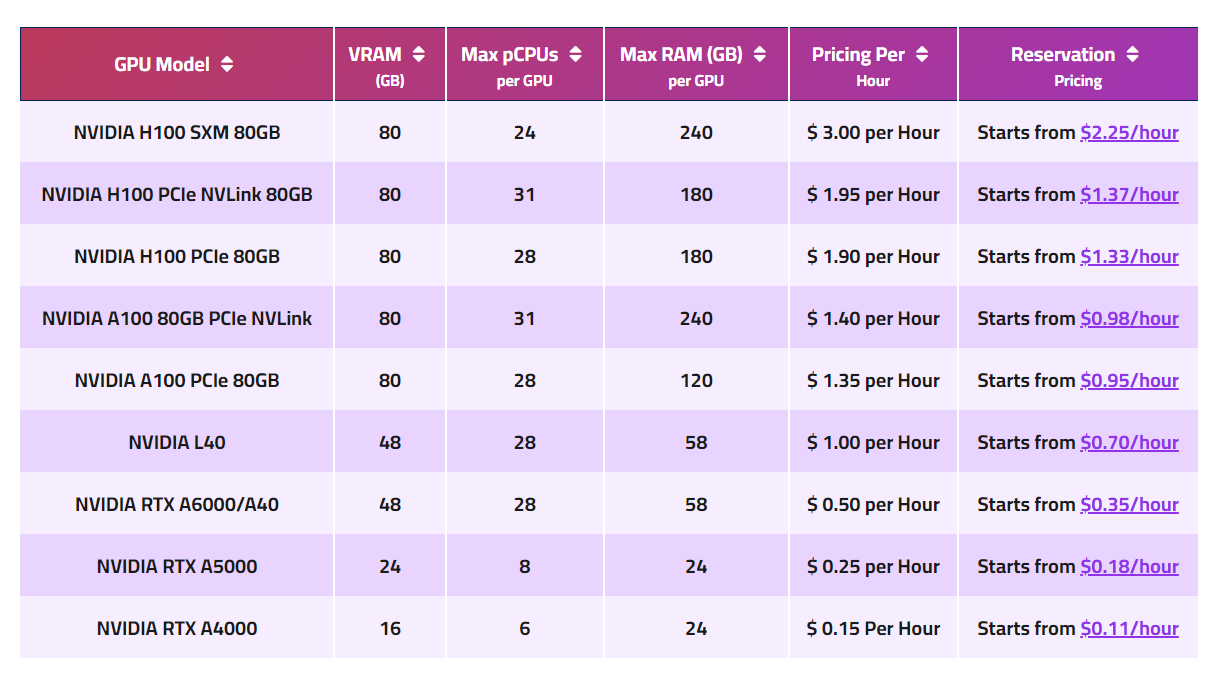

GPU Buying Guide 2026 Tips To Choose The Right GPU Image Png Sep 27 2024 10 56 40 0671 AM . 13 Best GPUs For Gaming 2026 Top Graphics Cards Ranked Banner 5. Which GPU Should You Buy In 2026 Practical Guide For Gaming Which GPU Should You Buy In 2026 . Best Budget Gaming GPU 2026 Top Picks Under 200 Switchblade Gaming Best Budget Gaming Gpu 2026.webp. How To Find Out What Graphics Card You Have On Your PC Or Laptop In 2026 1767789256 AMD Graphics Card Vs Nvidia Graphics Card. Which GPU Is Best In 2026.webp

Latest Graphics Cards For Gaming In 2026 UK Budget 1440p 4K Ranked Best Latest Graphics Cards 2026 Uk 430x287 . How To Choose A Laptop With The Right Graphics Card Top Budget Nvidia Graphics Cards For 2026 Best Performance For Your Money . Should You Upgrade Your GPU In 2026 GTX 1080 Ti Vs RTX 2060 Super Vs Media. Best Gaming PC Deals 2026 Deals From Amazon Best Buy Newegg Dell . Ultimate Buying Guide How To Choose The Best Gaming GPU In Gaming Product Shot 04.webp


How To Choose An NVIDIA GPU A Practical 2026 Guide . Best NVIDIA GPU For Gaming In 2026 Image 42 . 2026 GPU Prices Going Up Best Graphics Card To Buy Now Best GPU . Best Graphics Card 2026 Top GPUs For Gaming AI Value Best Graphics Card 2026 . Best Budget Gaming GPU 2026 Top Picks Under 200 Switchblade Gaming Best Budget Gaming Gpu 2026 Intext Budget Gpu


Best GPUs For Gaming 2026 Top VGA Cards Ranked By Performance 6 Best GPUs For AI And Deep Learning In 2026.webp. 13 Best GPUs For Gaming 2026 Top Graphics Cards Ranked Blog Banners 1 1 Scaled.webp. 5 CPU GPU 2026 5 Topovykh Cpu Gpu Par Dlia Heiminhu 2026 Roku 3b48.webp. Best GPUs To Upgrade To In 2026 My Honest Take Tech Tactician 100420 1920x965 . How To Choose The Right Graphics Card 2026 Expert Guide Featured Image P9ixjmz0 300x210


Best RTX 2060 Super Graphics Card In 2026 Our Top Picks PC Guide Best GPU For 1440p 144Hz . 2026 RTX GPU Comparison Guide GigaHertz 2026 02 27 HEADER BANNER 94664cbe 77c9 4865 A59a . 8 Best Graphics Cards GPUs For 1080P 240Hz March 2026 Best Graphics Cards GPUs 768x419 . Best Mid Range GPU 2026 Sweet Spot Picks Switchblade Gaming Best Mid Range Gpu 2026.webp. Best Gaming GPU 2026 Top Graphics Cards For Every Budget Switchblade Best Gaming Gpu 2026.webp



How To Choose The Right GPU Dedicated Server For AI 2026 How To Choose The Right GPU Dedicated Server For AI A 2026 Guide. 13 Best GPUs For Gaming 2026 Top Graphics Cards Ranked Banner 11.webp. Best Gaming Laptops 2026 Tested And Reviewed Tom S Hardware . Best GPU And How To Choose The Right GPU In 2026 Complete Guide Image 2 2 . The Best GPU For Gaming Our Top Reviewed Picks For 2026 Graphics Cards

How To Choose A Graphics Card Complete GPU Selection Guide 2026 Pexels Photo 2582937 . Nvidia RTX 5070 Review 2026 Best GPU For 2026 Gaming Gear Labs Product Shot 01.webp. How To Choose A Laptop With The Right Graphics Card Best Deal Graphics Cards 2026 Main . How To Build A Gaming PC 2026 Complete Beginner S Guide Switchblade How To Build Gaming Pc 2026.webp. Monter Son PC Gamer En 2026 Le Guide Complet Comparatif Gpu 2026 Nvidia Amd Intel